
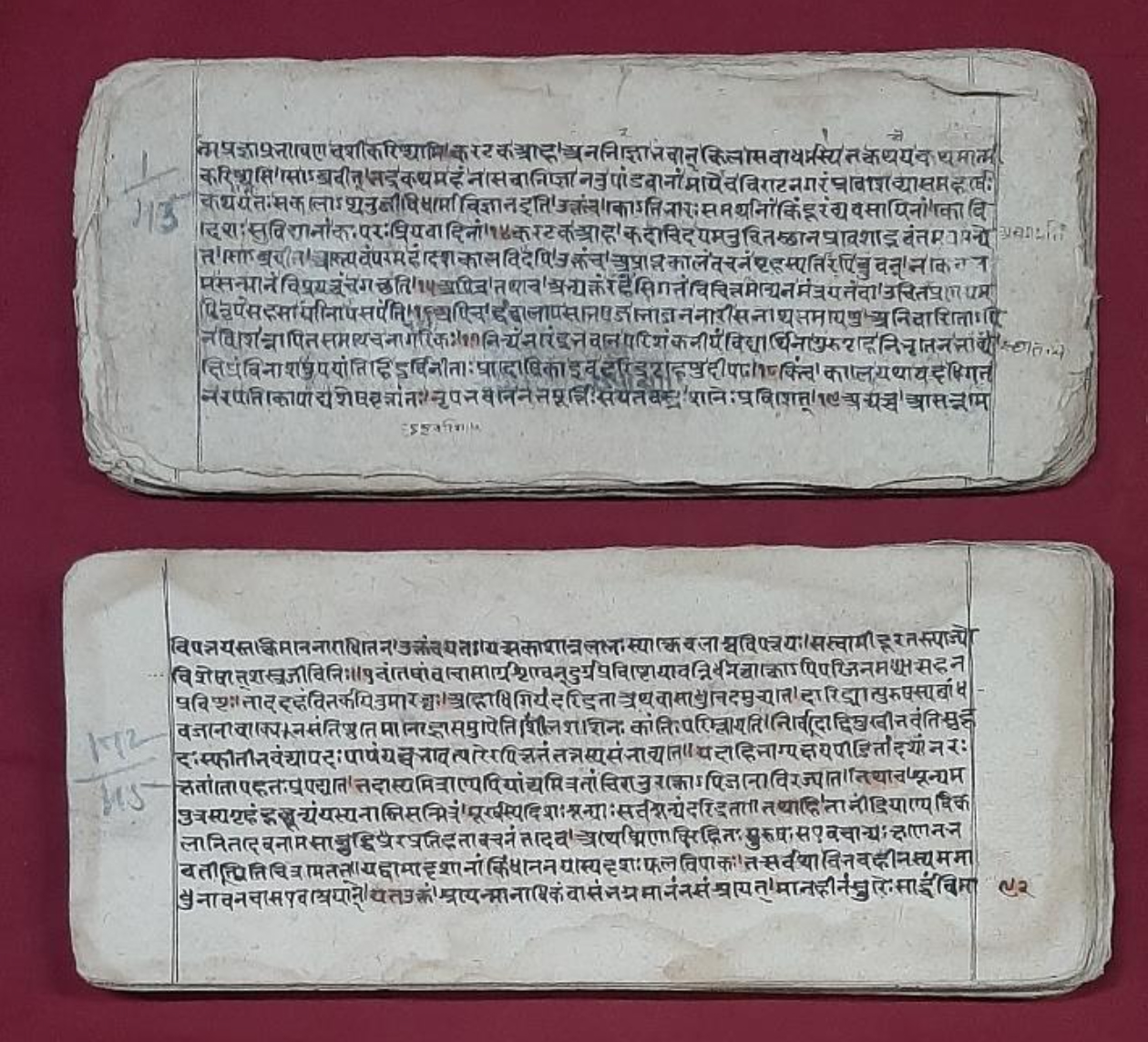
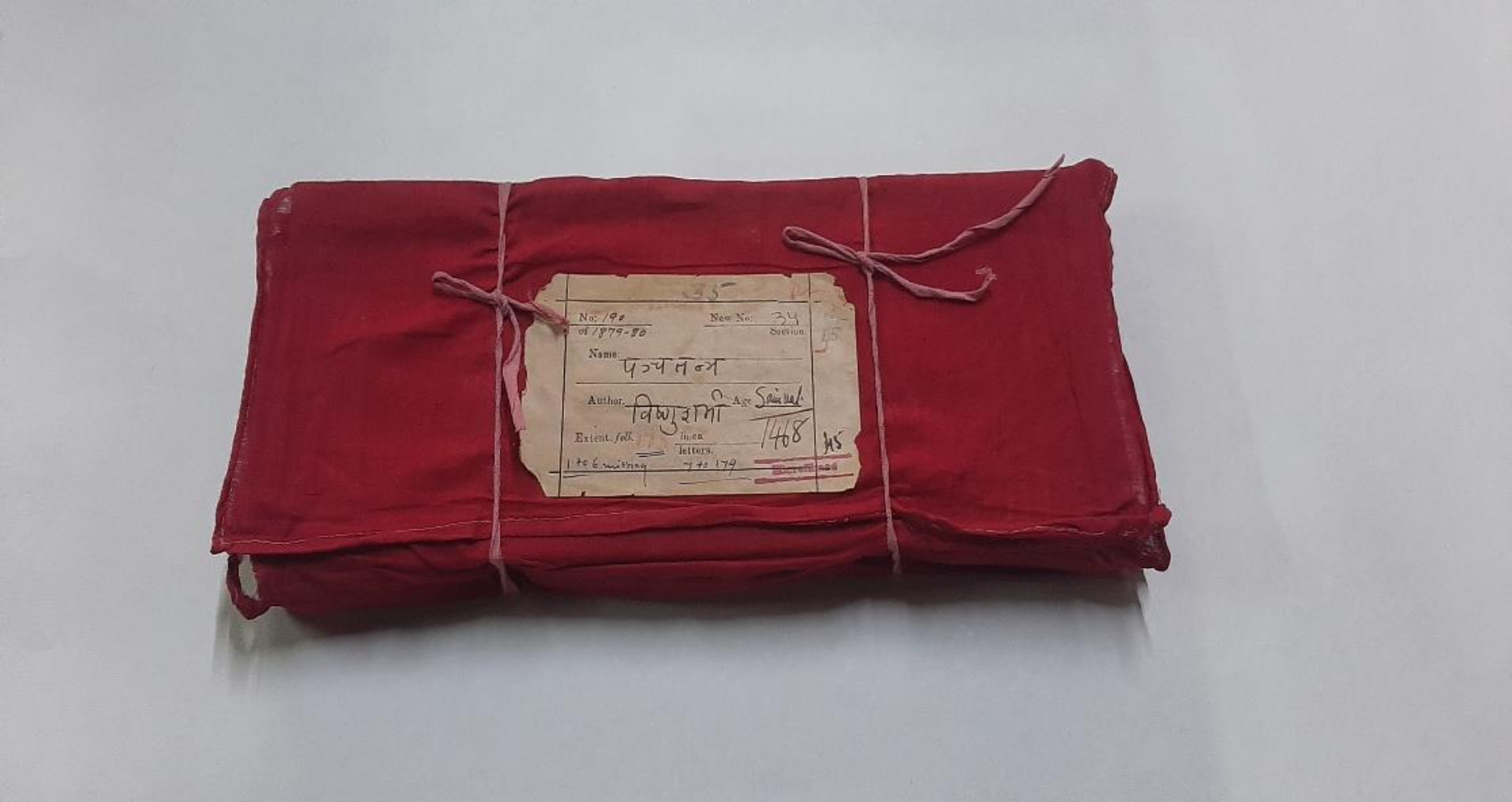
The 15th Century Manuscript of the Pañcatantra Fables
India - Bhandarkar Oriental Research Institute, Pune
Story
The Pañcatantra is an ancient collection of fables in Sanskrit, estimated to be over 3,000 years old. The item being inscribed is one of its earliest preserved manuscript versions, missing only the first seven pages, housed at the renowned Bhandarkar Oriental Research Institute (BORI) in Pune, India. The manuscript’s human, supernatural and animal characters, along with cultural references, provide evidence that the tales originated in South Asia by analyzing various recensions and translations of the Pañcatantra stories, which have proliferated globally since antiquity. Placed within a frame story and composed in a combination of verse and prose, this documentary heritage is an example of the art of storytelling of the subcontinent and a significant contribution to ancient world literature. It is believed that the pundit Vishnusharma composed the Pañcatantra for unruly sons of a king who was anxious to educate them. The manuscript reveals that it is a textbook of artha ‘worldly wisdom’ or niti ‘polity’, which is believed to be one of the three objects of human accomplishment (the other two being dharma ‘religion or morally proper conduct’ and kama ‘love’), rather than being merely a book of ‘moral stories’, as adaptations and abridged versions often project it to be.
Images
Location
Information
- Registration Year:
2024
- Related Repositories
- Bhandarkar Oriental Research Institute (BORI), Pune
- Download
- Nomination Form