
Inscriptions
HOMEInscriptionsThe Manuscript of the Sahṛdayāloka-Locana: Seminal Text of Indian Poetics
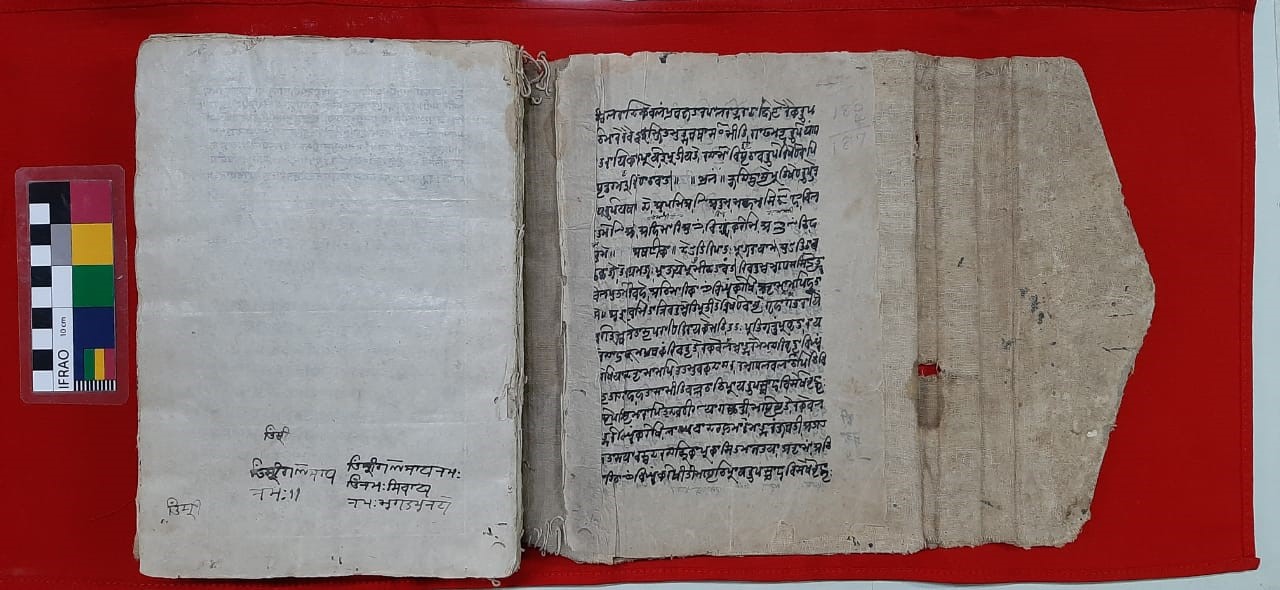
The Manuscript of the Sahṛdayāloka-Locana: Seminal Text of Indian Poetics
India - 1. Bhandarkar Oriental Research Institute, (BORI), Pune, 2. Indira Gandhi National Centre for the Arts (IGNCA), Delhi
Story
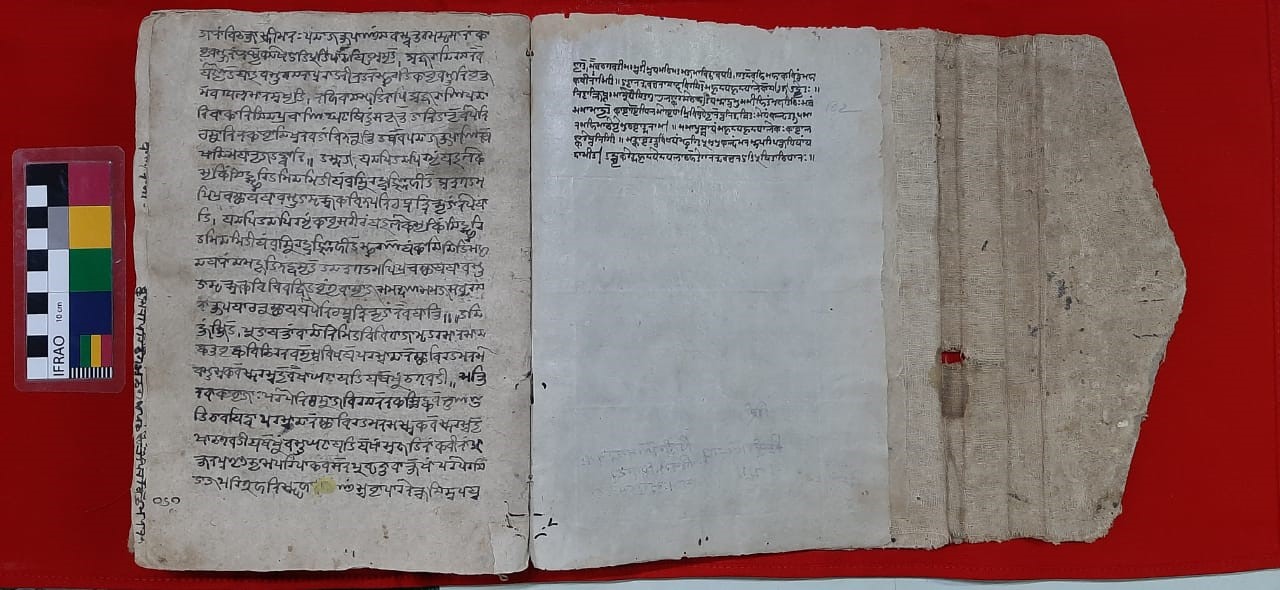
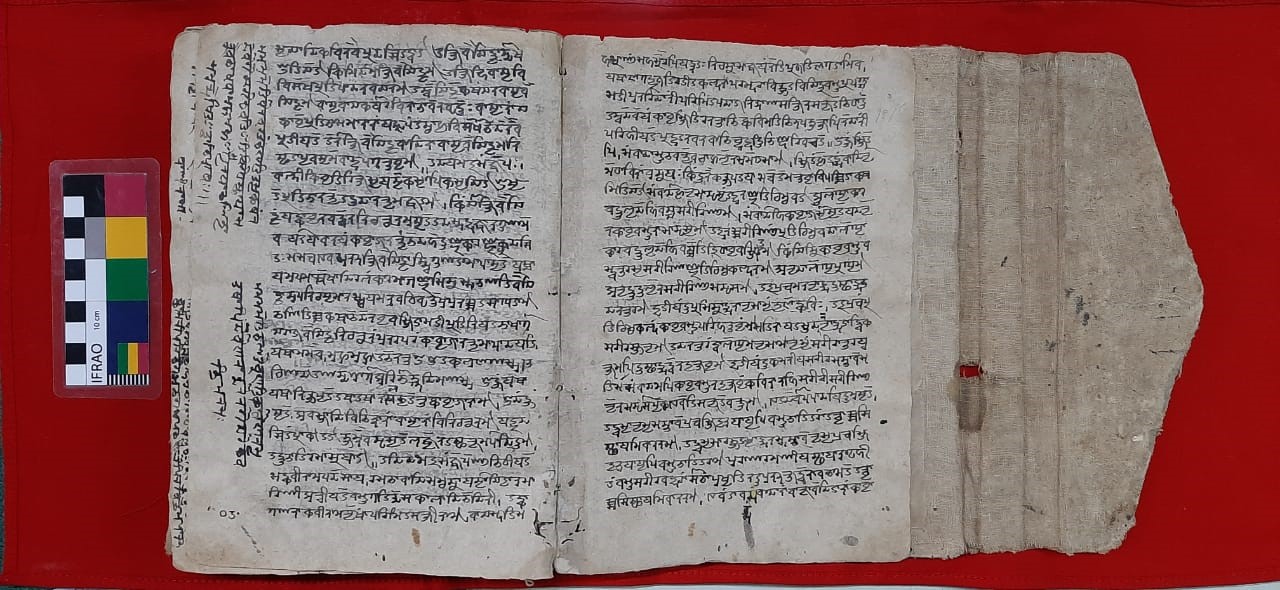
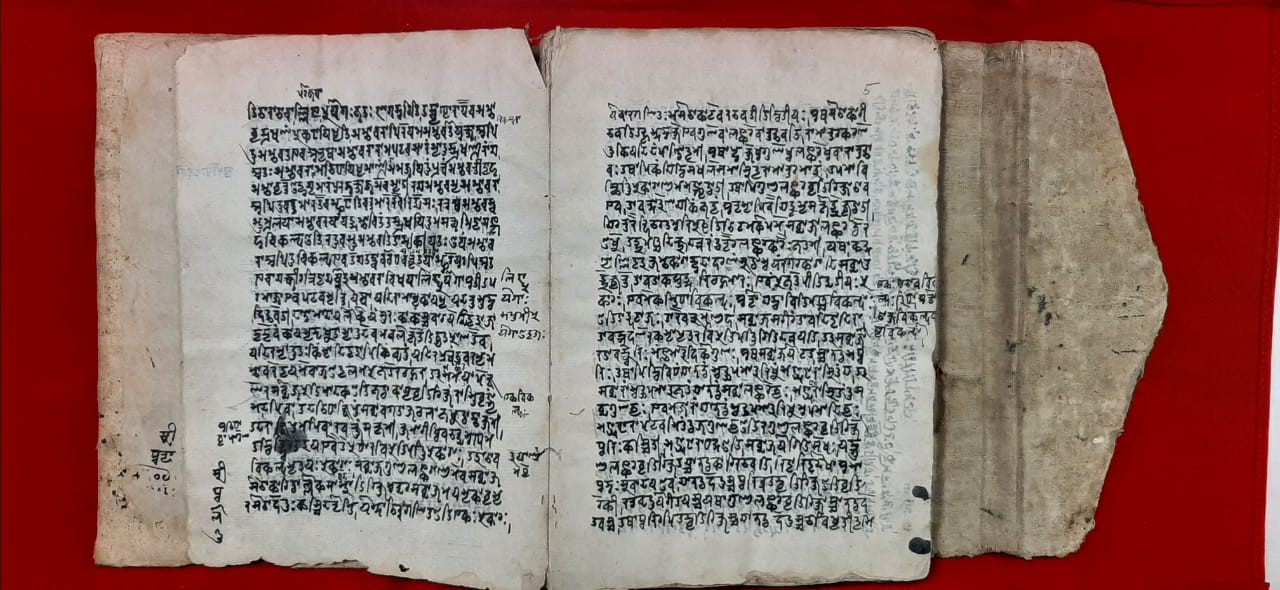
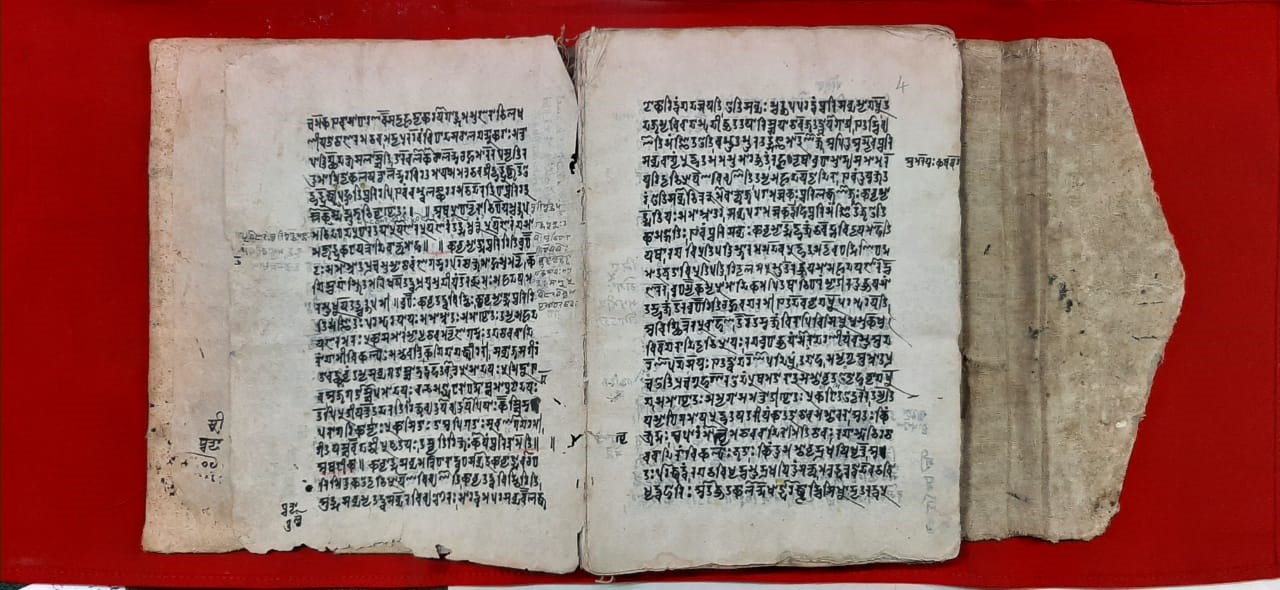
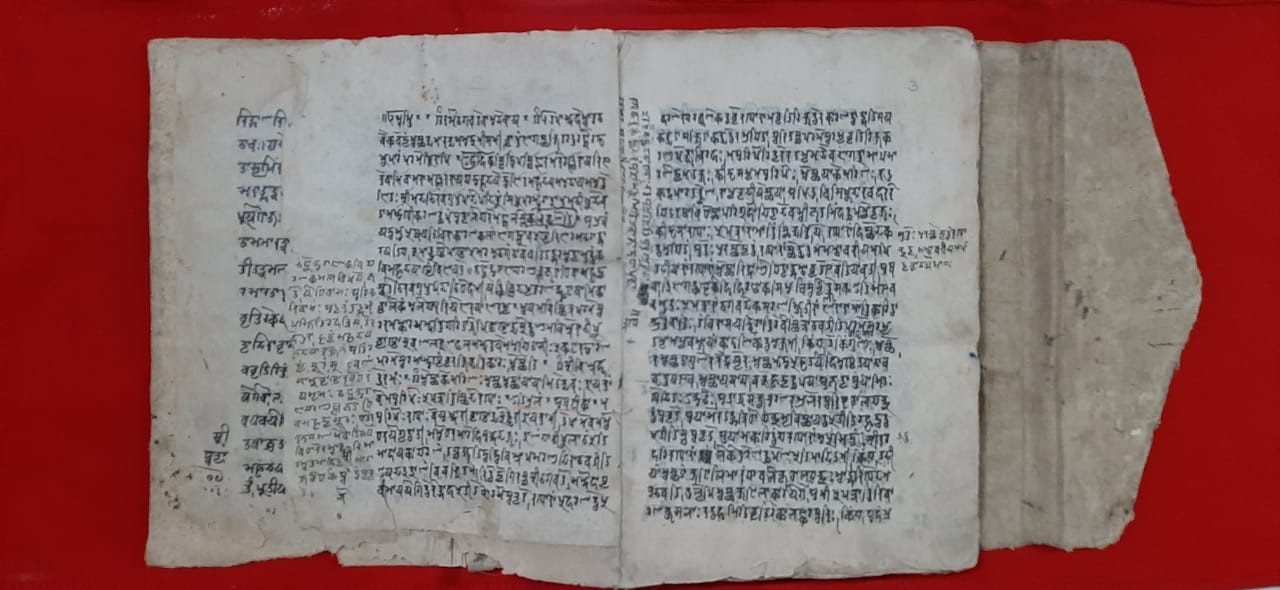
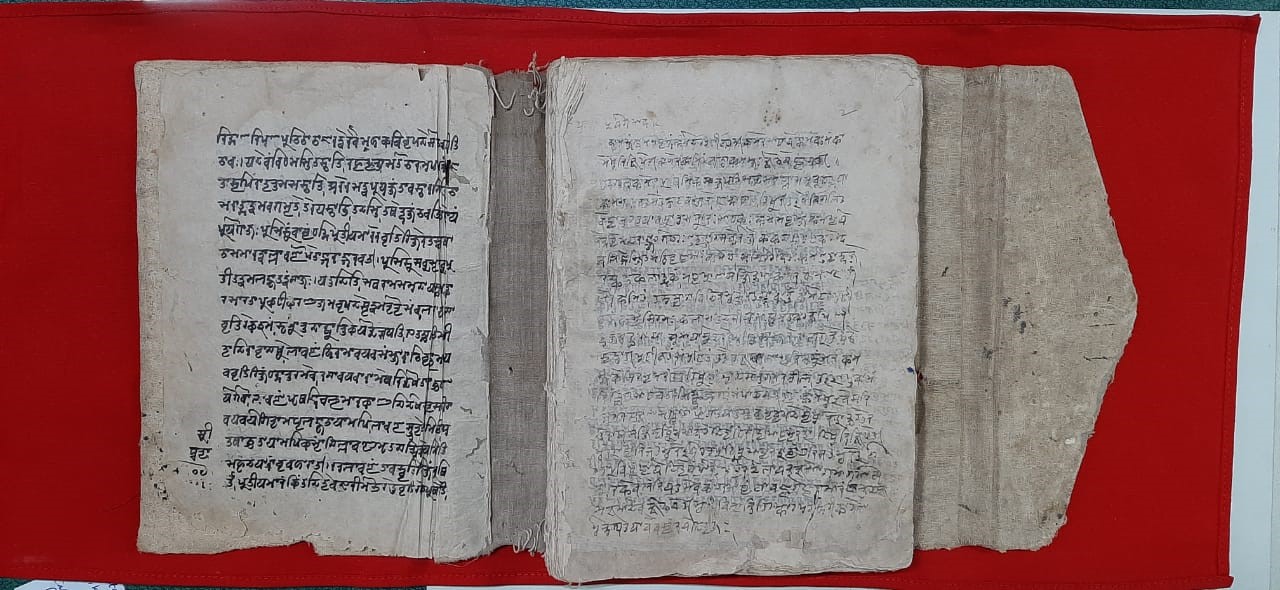
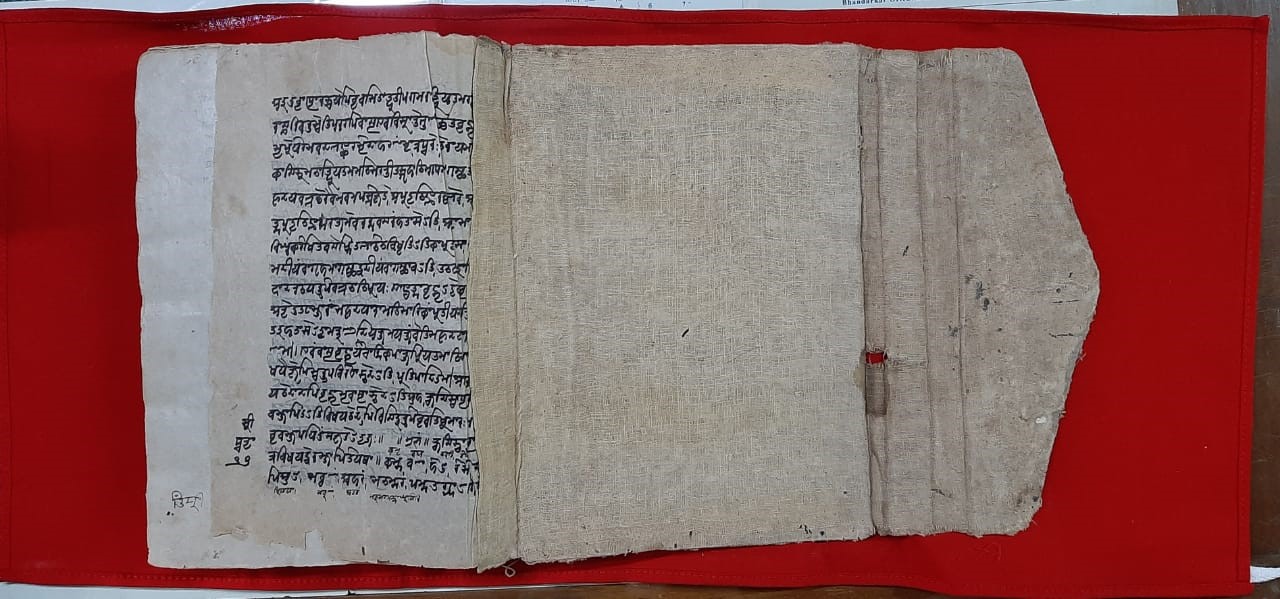
The Bhandarkar Oriental Research Institute’s Manuscript of the Sahṛdayāloka with Locana is one of the remarkable manuscripts noticed by G. Bühler while travelling in search of Sanskrit manuscripts in the year 1875 in Kashmir. The manuscript contains two texts namely the Sahṛdayāloka and the Locana, which are the seminal texts of Indian Poetics. The Sahṛdayāloka is a tour de force of Rājānaka Ānandavardhana who lived in Kashmir in the latter half of the ninth century C.E. The Locana — an explanatory text of the Sahṛdayāloka — was composed by Abhinavagupta, another thinker, art-critic and theatre-theorist of the tenth century C.E. The Sahṛdayāloka of Ānandavardhana is an epoch-making text, which focuses on dhvani (evoked meaning) as the inner secret of poetry for the first time in the history of Indian Poetics. This new feature led to a re-examination and re-definition of the various components of poetry. This dhvani theory, although highly influential, had been criticized by many thinkers of that time, but it was Abhinavagupta who through his Locana commentary defended dhvani and established it on a wider canvas. The manuscript of the Sahṛdayāloka with Locana is undoubtedly an important document having had a profound influence on subsequent thinkers of India and beyond.
Images
Location
Information
- Registration Year:
2024
- Related Repositories
- Bhandarkar Oriental Research Institute (BORI), Pune
- Indira Gandhi National Centre for the Arts (IGNCA), Delhi
- Download
- Nomination Form