The Illustrated Manuscripts of Rāmacaritamānasa of Tulasīdāsa
India - National Museum, New Delhi
Story
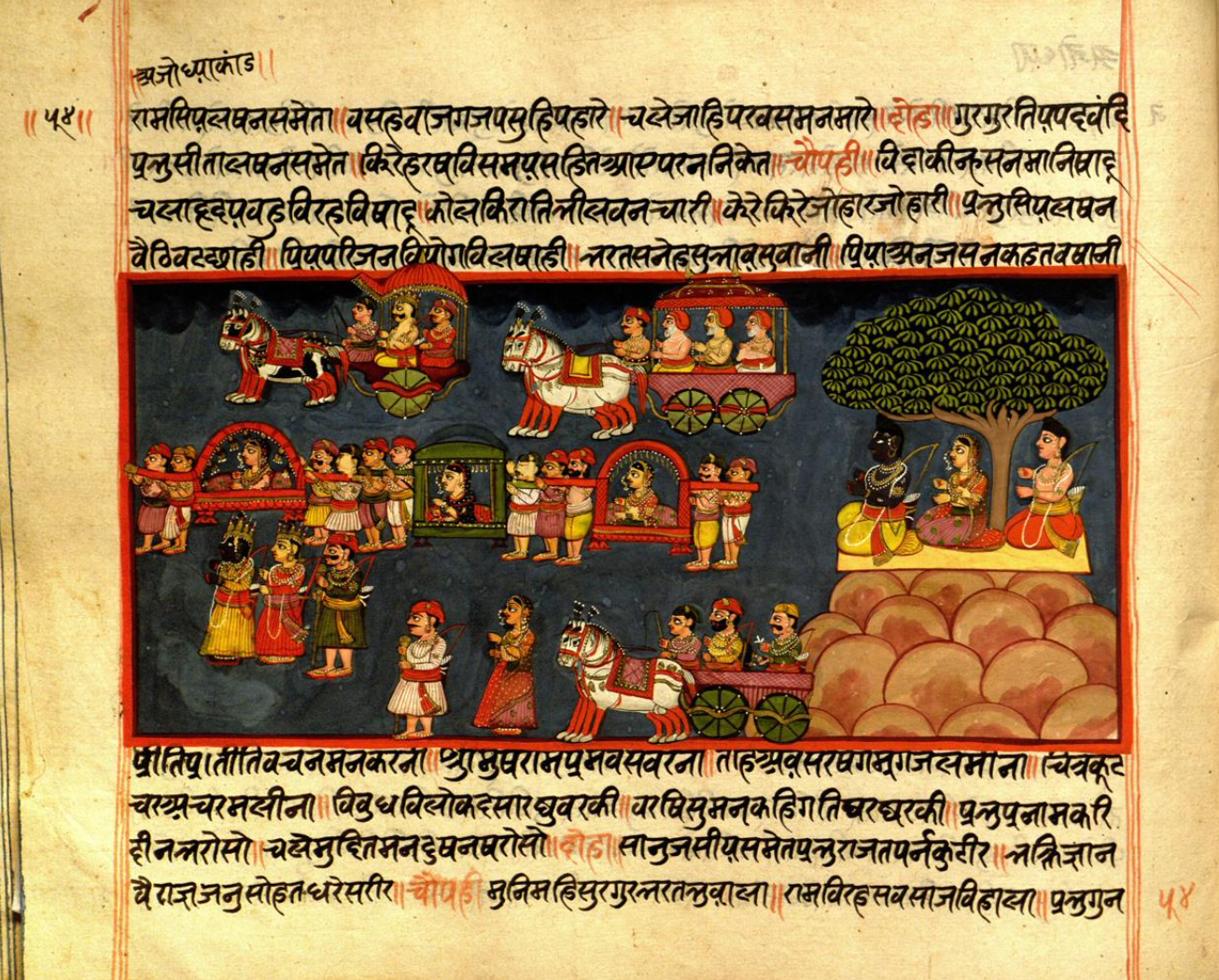
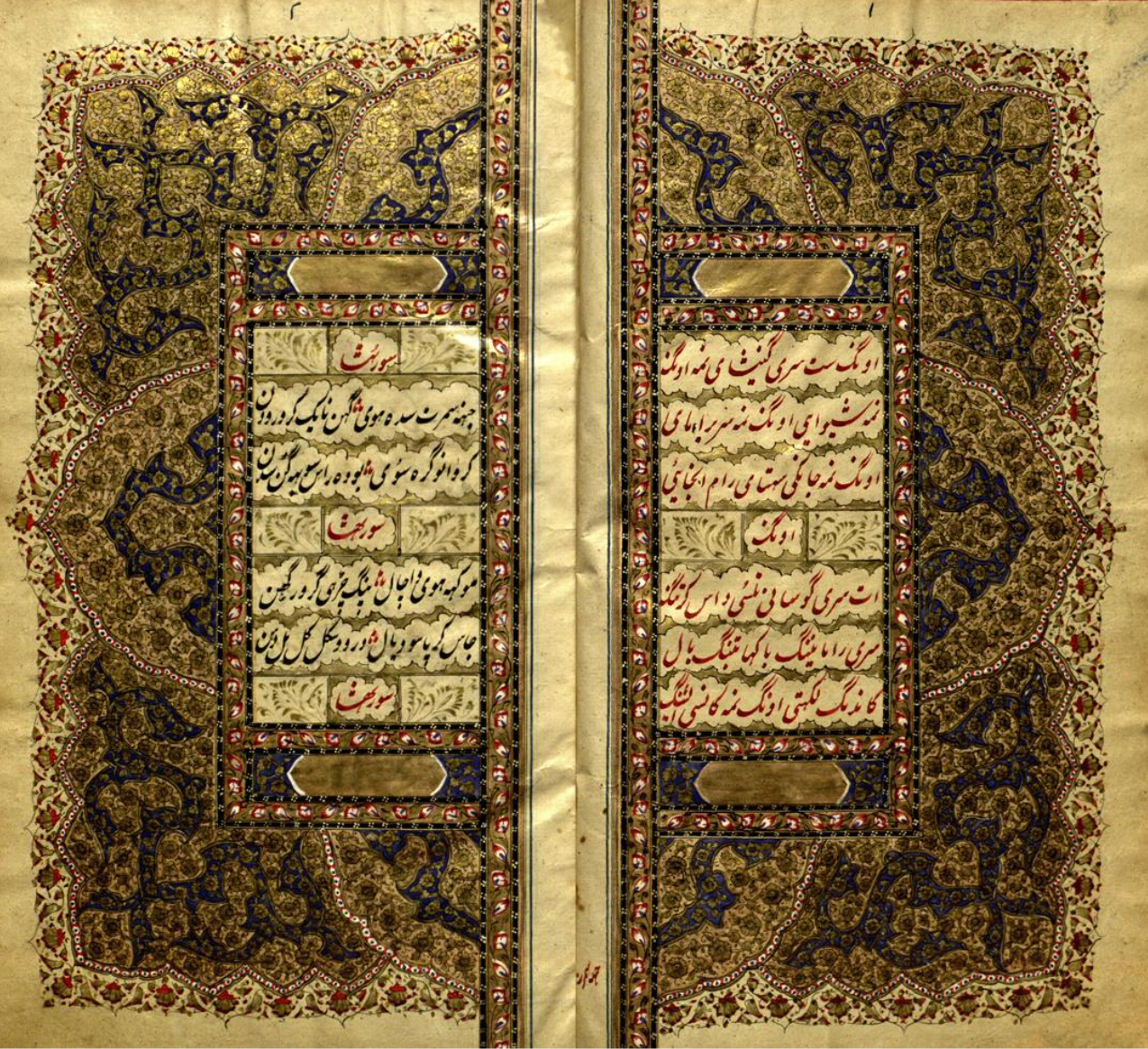
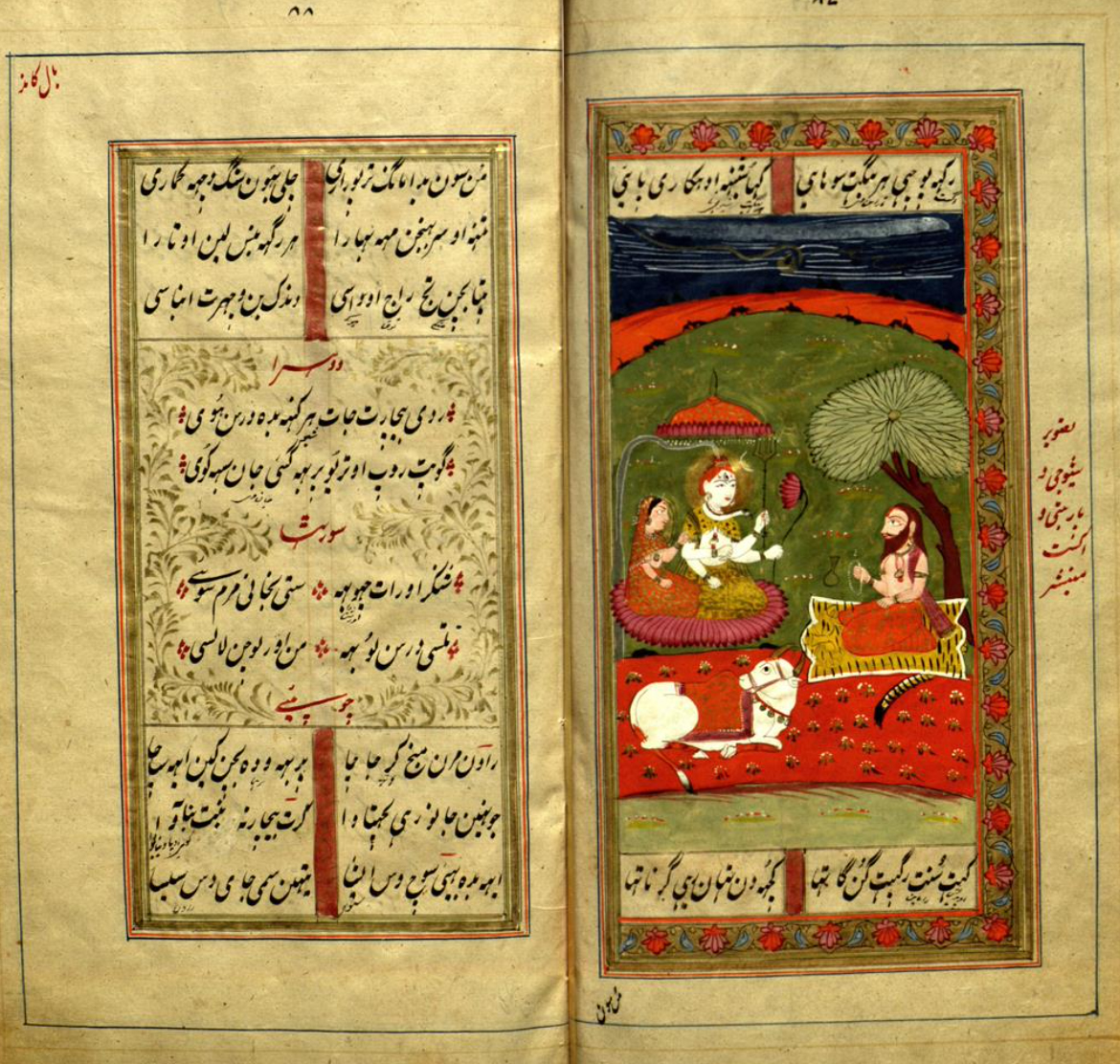
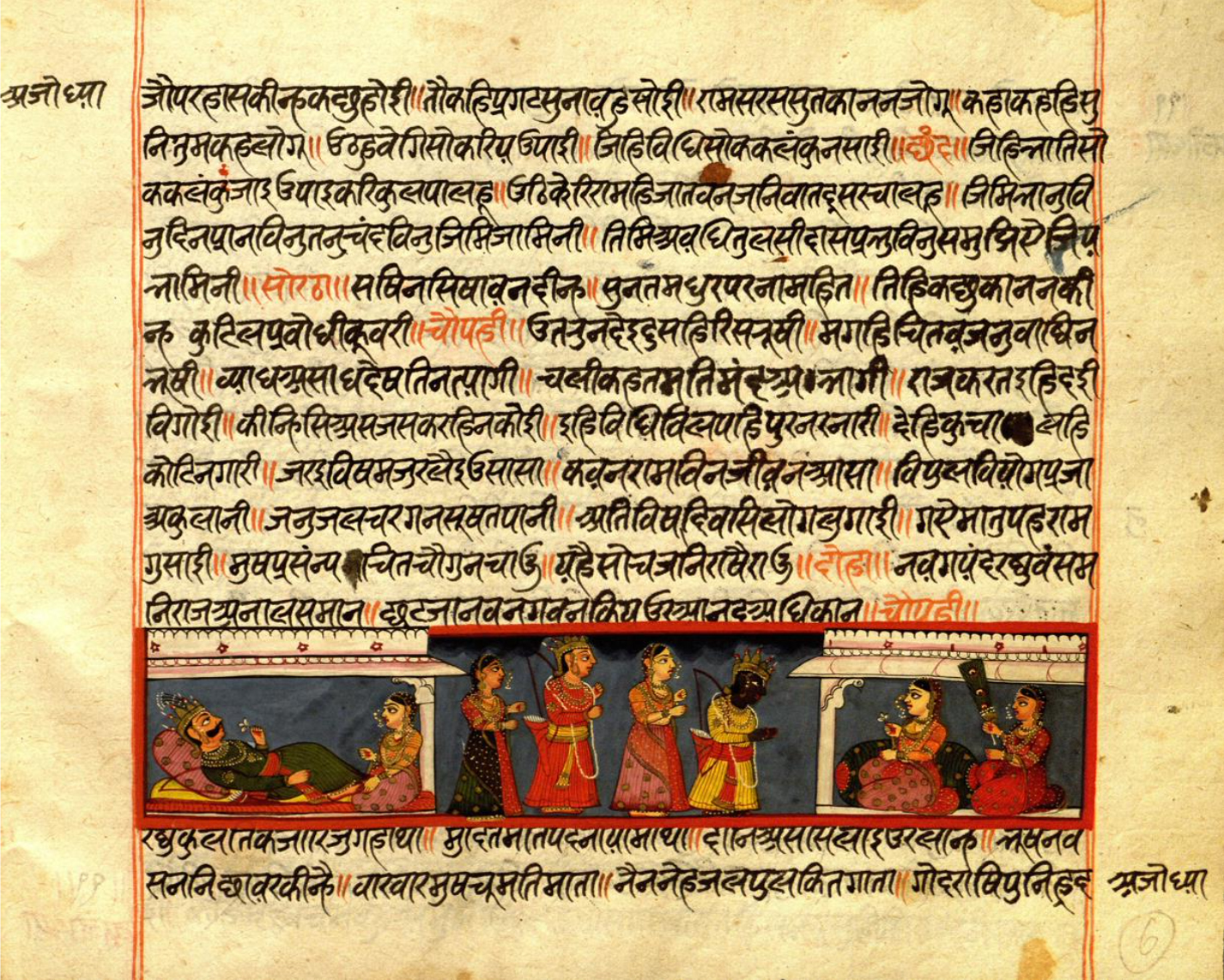
The Rāmacaritamānasa, composed by the renowned poet-saint Goswami Tulsīdāsa, is a poetic retelling of the ancient Sanskrit epic Ramayana. Deeply rooted in the bhakti (devotional) tradition, the Rāmacaritamānasa has been widely regarded as a seminal work of spirituality and moral idealism in India and the surrounding region. Tulsīdāsa’s work played a crucial role in legitimizing and disseminating the Ramayana narrative through the medium of manuscripts, which were diligently copied and preserved by various Sanskrit scholars, royalty, and devoted followers of Lord Rama over the centuries. The poet himself provides the date of composition, stating that he completed the Rāmacaritamānasa in 1574 C.E. during the Navaratri festival in Ayodhya. At the core of the Rāmacaritamānasa is the narrative of Lord Rama, the seventh avatar of the divine preserver, Vishnu. According to Tulsīdāsa, the story was originally narrated by Lord Shiva to his consort, Parvati, before being passed down to the poet through his spiritual mentor, Naharidas. The Rāmacaritamānasa is widely known as “Tulsikrit Rāmacaritamānasa,” highlighting the poet’s seminal contribution to this enduring literary and spiritual legacy. The nominated illustrated manuscripts of the Rāmacaritamānasa are truly exceptional, containing over 200 exquisitely detailed miniature paintings, making them unique and rare treasures.
Images