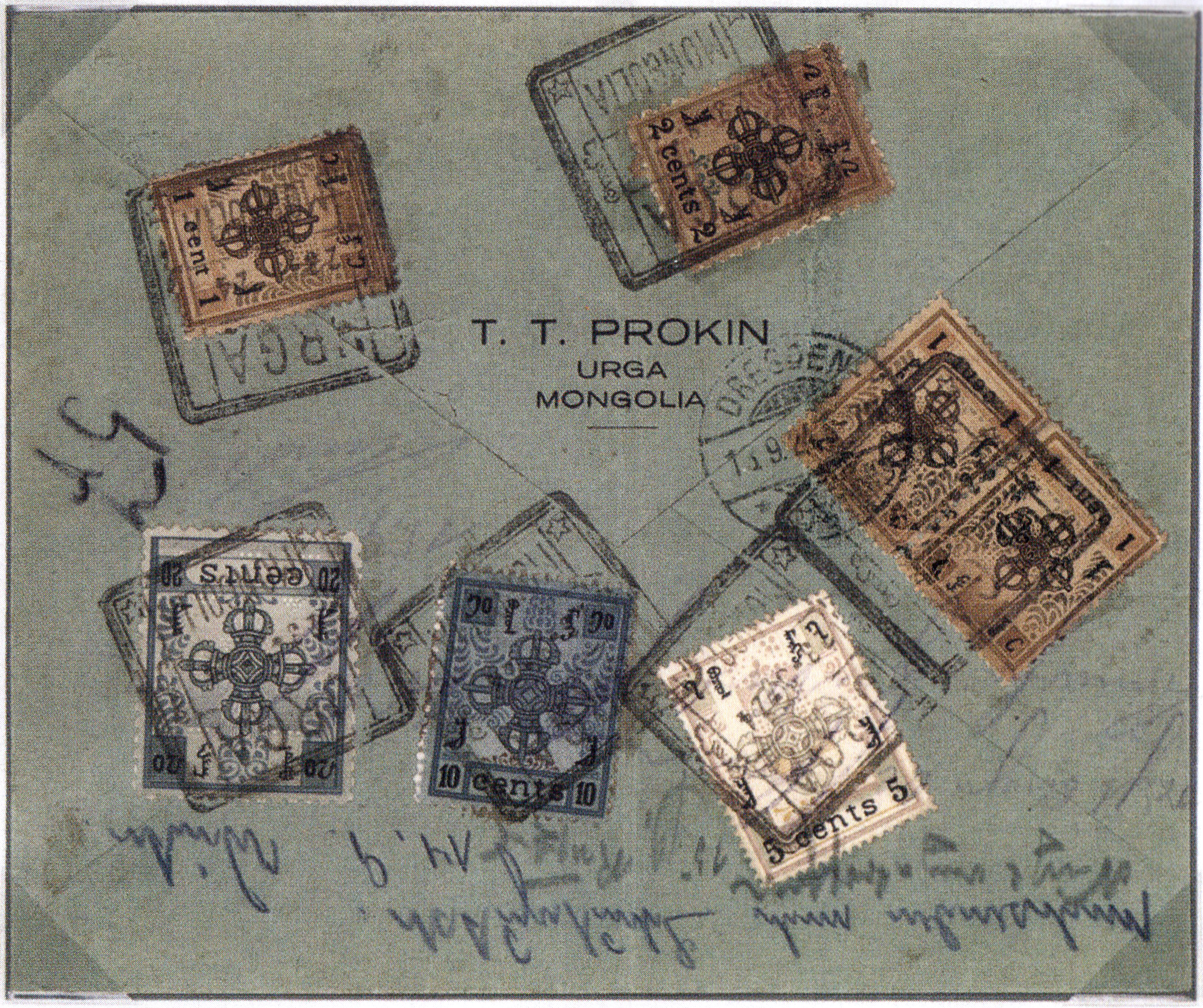
Mongolia’s First Postage Stamps ‘Eldev Ochir’
Mongolia - Mongol Post JSC
Story
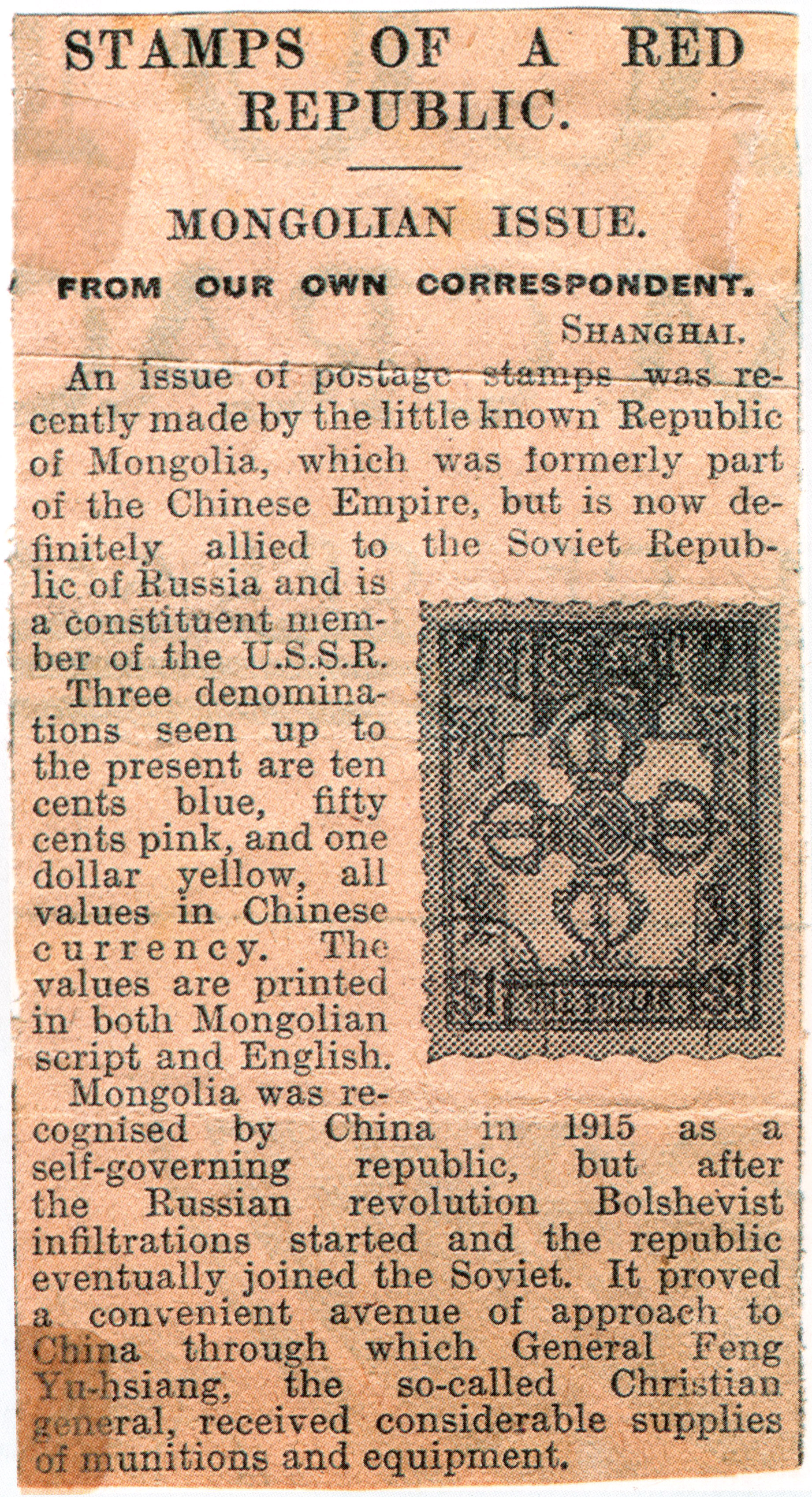
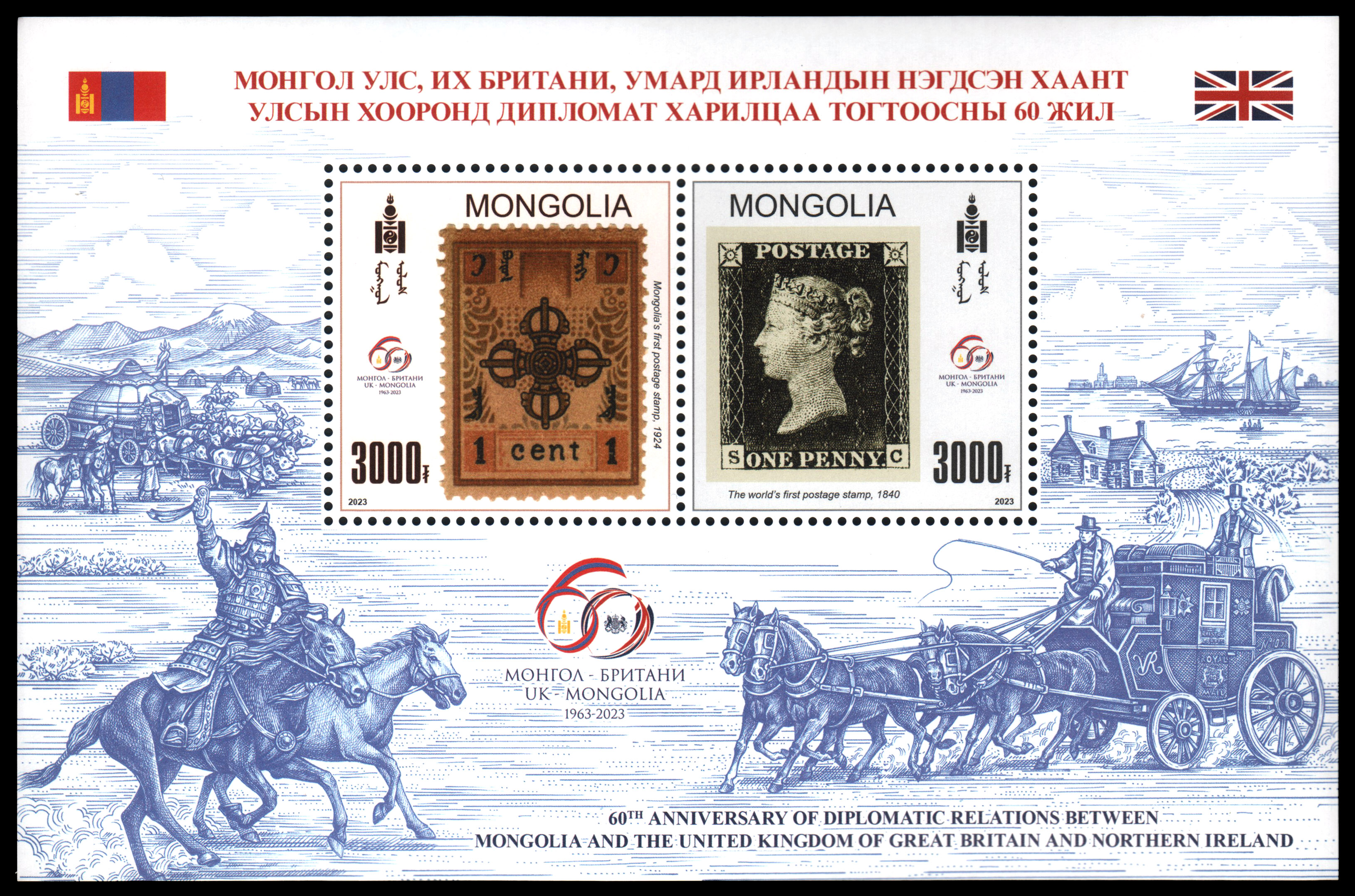
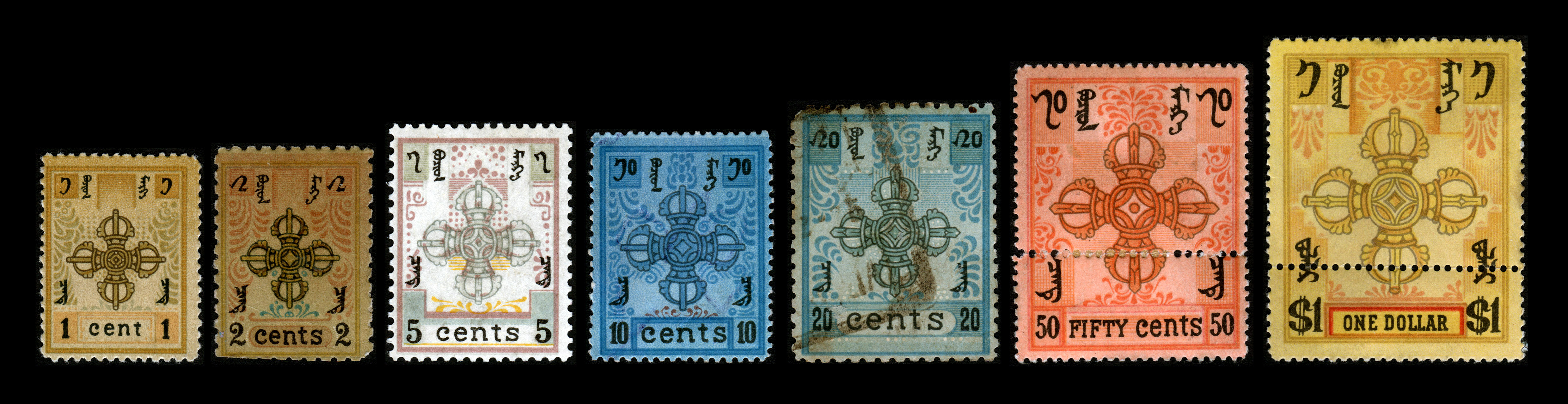
In 1235, the Mongols pioneered one of the world’s first postal services. Over its 800-year history, they employed postal horse stations , which were later extended around the world. Continuing this historic tradition, Mongolia issued its very first postage stamps, known as “Eldev-Ochir,” in 1924, prior to Mongolia’s declaration as an independent state and the introduction of its national currency. (Notably, the stamps do not bear the name “Mongolia” but only the monetary denomination of each). These “Eldev-Ochir” stamps have garnered attention in the Asia-Pacific region and worldwide as symbols of freedom and independence. They also serve as evidence of Mongolia’s contribution to the development of postal services in the Asia-Pacific region. When the “Eldev-Ochir” stamp was first put into circulation in Mongolia in 1924, mail correspondence and parcels between Mongolia, China, and Russia increased dramatically. As a result, political, business, and personal postal relations between Russia and China, which have large populations in the Asian region, passed through Mongolia. All seven types in this postage stamp series are exceptionally rare and authentic, featuring “Eldev-Ochir,” a legendary sceptre symbolizing strength and an irresistible force. The vajra (Sanskrit: वज, romanized as vajra meaning bright lightning) is a mythical and ritual weapon symbolizing the properties of diamond (indestructibility) and lightning (invincible power). It is used symbolically in religious traditions such as Hinduism, Buddhism, and Jainism and often represents the spiritual strength and spiritual strength of Asian peoples. Their inscription on the MOWCAP Regional Register in 2024, coincides with the people of Mongolia celebrating the centenary of Mongolia’s First Postage Stamps “Eldev-Ochir” and this year also marks the 150th anniversary of the founding of the Universal Postal Union, one of the world’s first intergovernmental organisations. These stamps hold historical and cultural significance not only for Mongolia but also for the Asia-Pacific region and the world, representing symbols of independence and contributions to the early 20th century emergence of global postal integration.
Images